You’ve built a beautiful website. The design is clean, the copy is sharp, the product is genuinely good. And yet, somehow, almost nobody finds it.
This is one of the most common, and most frustrating, experiences for business owners online. You wait for the traffic, the inquiries, the sales, and instead you get silence. Meanwhile, a competitor with a clunkier website, sometimes even a worse product, sits comfortably on page one of Google, soaking up all the clicks.
The difference usually isn’t luck. It’s SEO.
Search Engine Optimization sounds technical, and parts of it are, but at its core, it’s a simple idea: helping Google understand what your website is about, so it can show it to the people already searching for it. Let’s walk through what that actually means, without the jargon overload.
Google Isn't Guessing, It's Matching
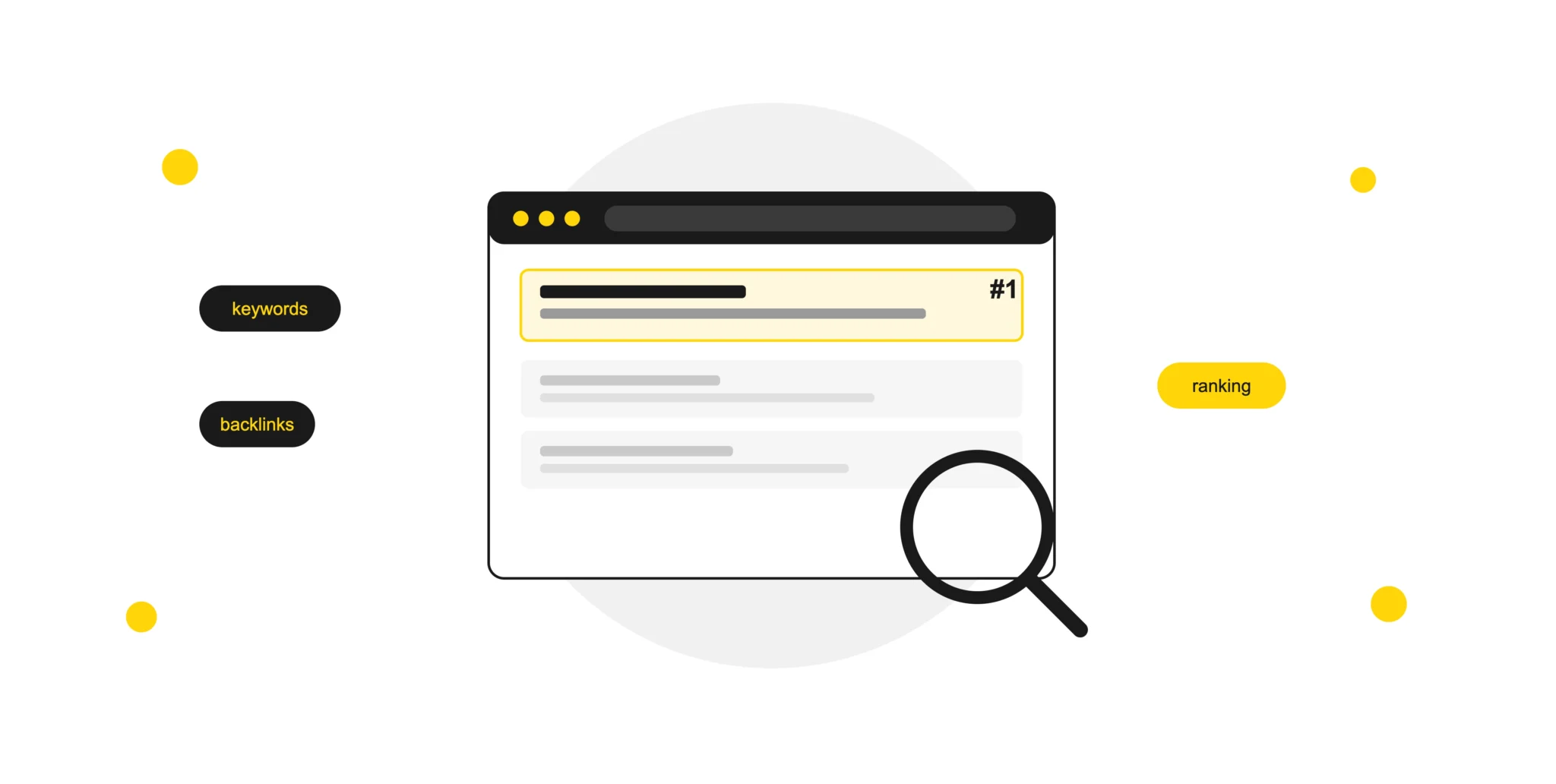
Every time someone types a question into Google, the search engine is trying to solve a matching problem: which page on the internet best answers this specific query? It scans billions of pages and ranks them based on relevance, trustworthiness, and usefulness.
SEO is simply the practice of making your website easier for Google to understand, and more convincing as the best answer. Nothing more mysterious than that. Once you see it this way, SEO stops feeling like a trick and starts feeling like common sense.
The Three Pillars of SEO
Most of SEO fits into three broad categories. Get these right, and you’re ahead of the vast majority of small business websites.
1. On-Page SEO: What's Actually on Your Website
This is about making sure each page clearly signals what it’s about.
- Title tags and headings should include the words people are actually searching for. If you’re a plumber in Kochi, “Emergency Plumbing Services in Kochi” tells Google far more than a vague title like “Welcome to Our Website.”
- Quality content matters more than keyword-stuffing. Google has gotten remarkably good at recognizing genuinely helpful content versus pages just trying to game the system. Write for humans first, search engines second.
- Meta descriptions, the short snippet under your link in search results, won’t boost rankings directly, but a compelling one increases the odds someone clicks your result instead of a competitor’s.
2. Technical SEO: What's Happening Behind the Scenes
Even great content can get buried if the technical foundation is shaky.
- Site speed matters. A slow-loading website frustrates visitors and signals lower quality to Google. Compressing images and choosing decent hosting go a long way.
- Mobile-friendliness is no longer optional. More than half of searches happen on phones, and Google primarily judges your site based on its mobile version.
- Clear site structure helps Google (and visitors) navigate your pages logically, so nothing important gets lost or ignored.
3. Off-Page SEO: What Others Say About You
This is about your reputation beyond your own website.
- Backlinks, which are links from other websites to yours, serve as signals of trust and credibility.
- Google Business Profile (especially for local businesses) helps you show up in map results and local searches, often the fastest win available to small businesses.
- Reviews and citations across directories reinforce your credibility, both to Google and to the humans reading them.
A Common Misconception
Many business owners believe SEO is a one-time task, “we did SEO last year.” In reality, it’s closer to gardening than construction. You plant, you tend, you adjust as seasons (and algorithms) change. Google updates its ranking systems constantly, and competitors are always publishing new content too. Consistency beats intensity.
The good news is that consistency doesn’t require a huge budget. A small business publishing one genuinely helpful blog post a month, answering real customer questions, will often outperform a company that spent thousands on a one-time SEO overhaul and then went silent.
Where Small Businesses Should Actually Start
If SEO feels overwhelming, here’s a simple starting sequence:
- Claim and fully complete your Google Business Profile. This alone can meaningfully boost local visibility.
- Ensure your site loads quickly and functions smoothly on mobile devices.
- Write one page or blog post answering the single most common question your customers ask you.
- Ask a few happy customers for reviews, on Google specifically.
- Repeat, steadily, rather than chasing every SEO trend that appears online.
Why Patience Pays Off
Unlike paid ads, which stop working the moment you stop paying, SEO builds compounding value. A blog post optimized well today can keep bringing in visitors two, three, even five years from now. It takes longer to see results, often a few months before meaningful movement, but those results tend to stick around, and grow, long after the effort was made.
The Bottom Line
Getting found on Google isn’t about outsmarting an algorithm. It’s about genuinely earning visibility, by being clear, useful, fast, and trustworthy. The businesses that rank well aren’t necessarily the biggest; they’re the ones that consistently did the small things right.
Start with one page. Answer one real question. Build from there. Google and your future customers will discover your website.