There’s a moment every business owner remembers: the moment they realized a spreadsheet and a gut feeling weren’t going to cut it anymore.
Maybe it was watching a competitor with half the budget outrank you on Google. Maybe it was sending an email blast that vanished into 500 inboxes without a single click. Or maybe it was simply staring at your social media analytics, wondering what any of those numbers actually mean.
Digital marketing today isn’t just about having a website and a Facebook page. It’s about using the right tools, the digital equivalent of a well-organized toolbox, to work smarter, reach further, and grow with intention instead of guesswork. The good news? You don’t need to be a tech expert to use them. You just need to know which ones matter and why.
Why Tools Matter More Than Ever
Think about a carpenter. Skill matters, but so does the tool in their hand. A sharp saw makes clean cuts; a dull one makes a mess, no matter how skilled the carpenter is. Marketing works the same way. Great ideas and genuine value mean little if you don’t have the right instruments to execute, measure, and refine them.
The right digital marketing tools do two things simultaneously: they help you win today, and they help you build toward tomorrow. That combination, short-term wins fueling long-term growth, is what separates businesses that scale sustainably from those that burn out chasing quick fixes.
The Toolbox, Piece by Piece
1. SEO Tools (Search Engine Optimization)
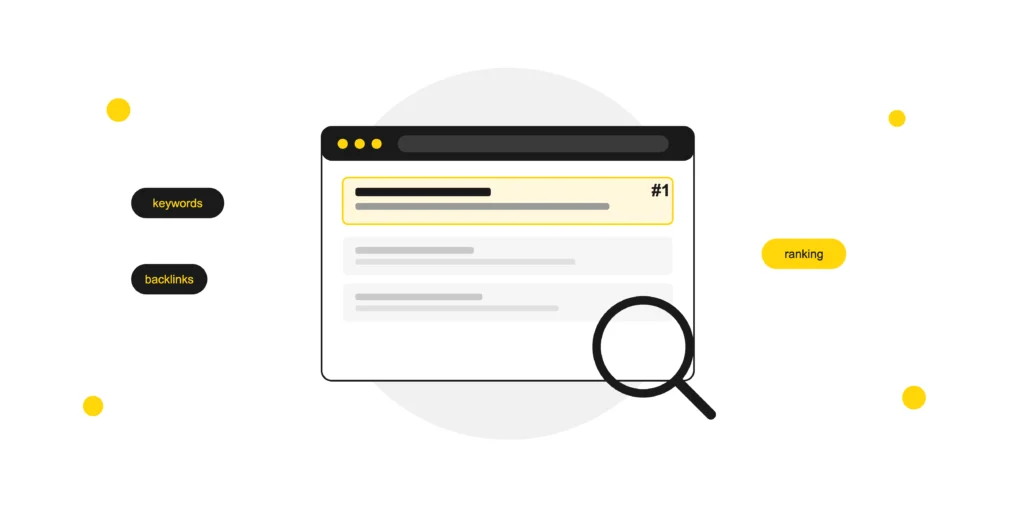
Tools like Google Search Console, Ahrefs, or SEMrush help you understand what your customers are actually searching for, and whether your website shows up when they do.
Short-term impact: Quick fixes like fixing broken links or optimizing a page title can boost visibility within weeks.
Long-term impact: Consistent SEO work compounds. A well-optimized blog post can keep bringing in visitors for years without ongoing ad spend, turning your website into an asset instead of an expense.
2. Email Marketing Platforms
Platforms such as Mailchimp, ConvertKit, or Klaviyo let you nurture relationships directly, no algorithm standing between you and your audience.
Short-term impact: A single well-crafted email can drive immediate sales, especially around promotions or product launches.
Long-term impact: Over time, a well-maintained email list becomes one of your most valuable assets. Unlike social media followers, your email subscribers are yours, not rented from a platform that can change its rules overnight.
3. Social Media Management Tools
Tools like Buffer, Hootsuite, or Later let you plan, schedule, and analyze content across platforms from a single dashboard.
Short-term impact: Consistent posting keeps your brand visible and top-of-mind without you having to be glued to your phone all day.
Long-term impact: Over months and years, a well-managed social presence builds community, brand recognition, and a direct line to customer sentiment, an early warning system and a growth engine in one.
4. Analytics Platforms
Google Analytics and similar tools show you exactly how people find and interact with your business online.
Short-term impact: You can quickly identify which marketing efforts are working and reallocate budget away from what isn’t.
Long-term impact: Over time, this data reveals patterns, seasonal trends, customer behavior shifts, emerging opportunities, that inform smarter strategic decisions well beyond marketing alone.
5. Customer Relationship Management (CRM) Software
Tools like HubSpot, Zoho, or Salesforce keep track of every customer interaction, from first contact to final sale and beyond.
Short-term impact: Sales teams can follow up faster and more personally, closing deals that might otherwise slip through the cracks.
Long-term impact: A well-maintained CRM becomes the institutional memory of your business, helping you understand customer lifetime value and build loyalty that compounds over years.
6. Content Creation and Design Tools
Canva, CapCut, and similar platforms make professional-quality visuals and videos accessible to businesses without a design team.
Short-term impact: You can produce polished, engaging content quickly, without waiting weeks for a designer.
Long-term impact: Consistent, high-quality visual branding builds recognition and trust, the kind that makes customers choose you on sight, even in a crowded market.
Short-Term Wins, Long-Term Roots
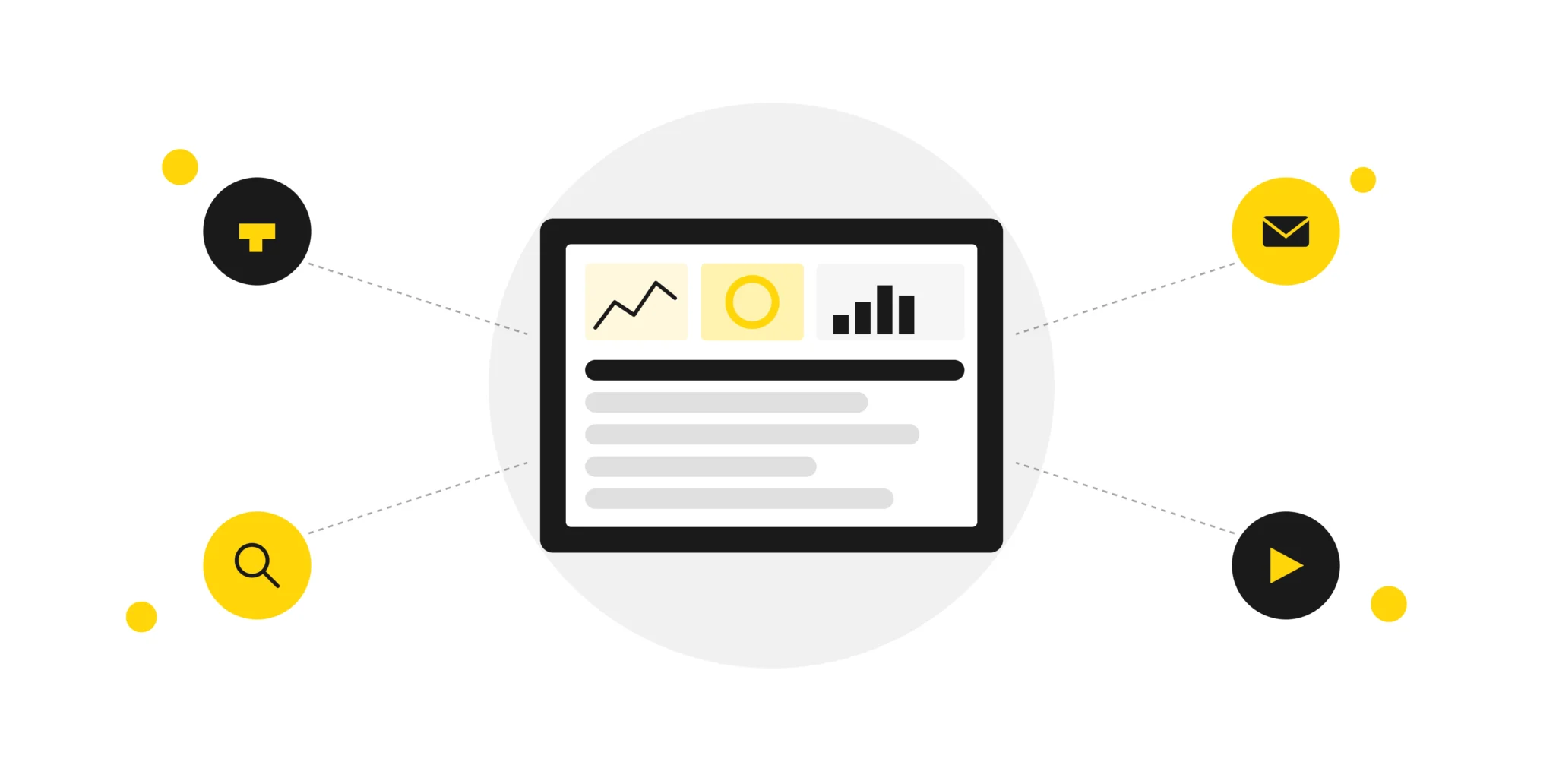
Here’s the thing many businesses miss: these tools aren’t separate strategies competing for attention. They work best as a connected system.
An SEO tool brings someone to your blog. An email platform captures their interest and nurtures them over weeks. A CRM tracks their journey from curious visitor to loyal customer. Analytics tells you which parts of that journey are working, and which need adjusting. Social media keeps the relationship warm in between.
Used together, these tools create a rhythm, immediate results that keep the lights on today, while quietly building the foundation for a bigger, stronger business tomorrow. That’s the real power of digital marketing tools: they don’t force you to choose between short-term survival and long-term growth. They let you build both, at the same time.
Getting Started Without Getting Overwhelmed
You don’t need every tool on this list right away. Start with the one addressing your biggest current gap. If nobody can find you online, start with SEO. If you’re losing touch with past customers, start with email or a CRM. If your content looks inconsistent, start with a design tool.
Add tools gradually, the same way you’d build any toolbox: one useful piece at a time, learned well before moving to the next.
The Bottom Line
Digital marketing tools aren’t about chasing every shiny new platform or drowning in dashboards you’ll never fully use. They’re about choosing the right instruments for the job in front of you, and letting them work together to build something lasting.
The businesses that thrive aren’t necessarily the ones with the biggest budgets or the flashiest campaigns. They’re the ones who understood that today’s quick win and tomorrow’s sustainable growth don’t have to be separate goals. With the right tools, quietly working in the background, they rarely are.