A shopkeeper once told me something that stuck: “I don’t need the internet. My customers know where I am.”
Six months later, his store was still there. His customers, however, had started going somewhere else, a competitor two streets over who’d started posting on Instagram, showed up on Google Maps with glowing reviews, and ran a small WhatsApp broadcast list for weekly offers. Same neighborhood. Same customer base. Completely different outcome.
This isn’t a story about technology replacing tradition. It’s a story about where attention lives now, and why ignoring that reality has become one of the riskiest decisions a business can make.
The World Didn't Ask Permission Before It Changed
A generation ago, if you wanted to find a good electrician, a decent restaurant, or a reliable tailor, you asked a neighbor, checked the newspaper, or walked around until you found a sign. Today, you pull out your phone. You search, you scroll, you compare reviews, and you decide, often before ever speaking to a human being.
This shift happened quietly, but completely. Your customers, whether they’re twenty-five or sixty-five, are researching, comparing, and forming opinions about businesses online before they ever walk through the door. If your business isn’t visible in that space, you’re not being ignored. You’re simply not part of the conversation at all.
It's Not About Being "Online." It's About Being Findable, Trustworthy, and Present
There’s a common misconception that having a website or a Facebook page is enough, box checked, digital presence achieved. But digital marketing isn’t a checkbox. It’s an ongoing relationship between a business and the people it hopes to serve.
Consider what digital marketing actually does for a business, beyond simply “being online”:
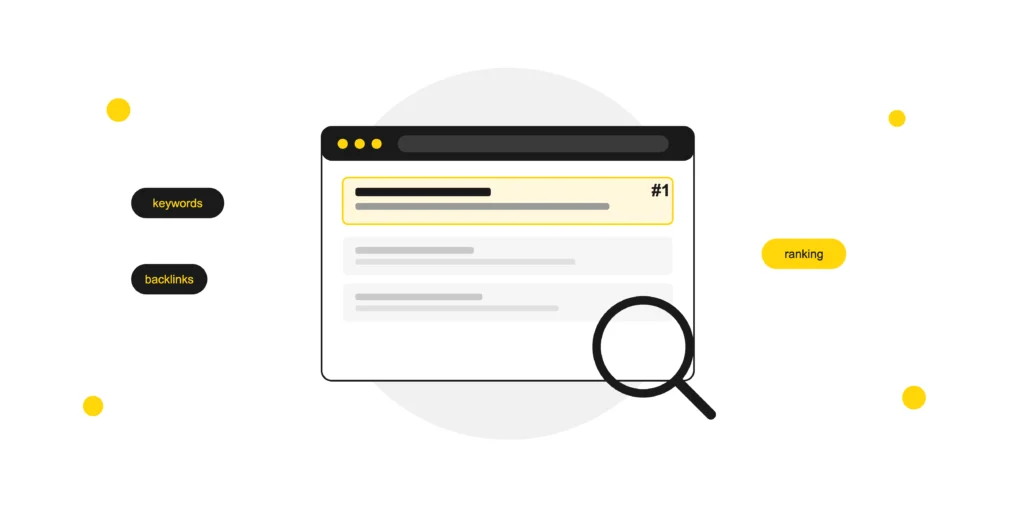
It puts you in front of people at the exact moment they’re looking for you. Someone searching “best bakery near me” at 6 PM on a Friday isn’t browsing casually, they’re ready to buy, tonight. If you’re not visible in that moment, someone else gets the sale.
It builds trust before a single conversation happens. Reviews, social proof, consistent branding, and helpful content all work together to answer the unspoken question every potential customer has: “Can I trust this business?” By the time they reach out, much of that decision is already made.
It levels a playing field that used to favor only the biggest players. Billboard space and prime-time TV ads were once reserved for companies with deep pockets. Digital marketing runs on relevance and consistency far more than budget size, a small, sincere business can genuinely outcompete a larger, less attentive one.
It turns customers into repeat customers. A one-time buyer is nice. A returning customer, one who gets your emails, follows your updates, and remembers your brand, is what sustainable growth is actually built on. Digital marketing keeps that connection alive long after the first sale.
The Cost of Standing Still
Perhaps the most overlooked risk isn’t doing digital marketing poorly, it’s not doing it at all, while competitors quietly do. Every month a business delays, competitors are collecting reviews, ranking higher in searches, building follower bases, and becoming the default choice in customers’ minds. That gap doesn’t stay the same size. It grows, because visibility and trust compound over time, much like interest on a loan, except this “loan” is being taken out by whoever moves first.
This isn’t meant to create panic. It’s meant to create clarity. The businesses thriving today aren’t necessarily smarter or better resourced than everyone else. They simply understood earlier that where their customers spend their attention has changed, and adjusted accordingly.
But Isn't This Just for Big Companies?
It’s tempting to assume digital marketing is a luxury for corporations with dedicated teams and large budgets. The truth is almost the opposite. Small and medium businesses often benefit the most, because digital marketing rewards authenticity, consistency, and genuine connection with a specific community, exactly the strengths smaller businesses already have.
A large corporation manages a broad, impersonal brand. A small business can share its actual story, respond personally to a comment, and build a community that feels less like customers and more like relationships. That intimacy is difficult, sometimes impossible, for a big company to replicate. Digital marketing simply gives small businesses a stage large enough for that strength to actually be seen.
Where This Actually Leads
None of this requires becoming a marketing expert overnight or completely reinventing how a business operates. It requires a shift in mindset: recognizing that showing up where your customers are looking isn’t optional anymore, it’s simply where business happens now.
Whether that starts with a properly filled-out Google listing, a handful of honest customer reviews, or a single social media post that shows the real people behind the business, the starting point matters less than the decision to start.
The Bottom Line
The shopkeeper from the beginning of this story eventually did start showing up online, a little late, but not too late. His business recovered, slowly, as trust rebuilt itself one review, one post, one search result at a time.
The lesson wasn’t that digital marketing is complicated or reserved for tech-savvy businesses. It’s that customers have already moved. The only real question left for any business today is whether they’re willing to meet them there.